Advance the Journey of You
Embark on a path of freedom, compassion, and self-discovery.

Apply for Fall 2024
There's still time to apply to join us this fall.
We are dedicated to liberal education in the broad Buddhist tradition.
This tradition is characterized by knowledge in the arts and sciences, self–cultivation, and the pursuit of wisdom.
-
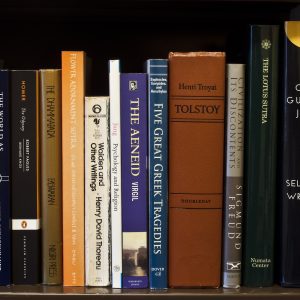
Study the Great Books
From the Odyssey to the Daodejing, the Mahabharata to the theory of relativity, explore the world's wisdom traditions and uncover the wisdom within yourself.
-
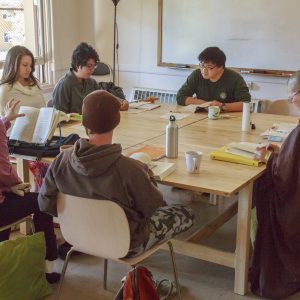
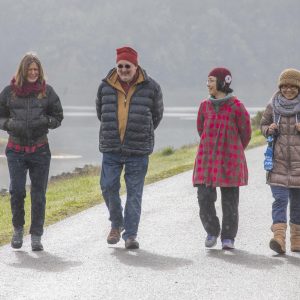
Small Classes, Dedicated Faculty
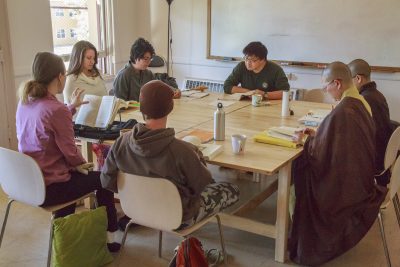
At DRBU, learning happens through discussion. Faculty don't lecture, but guide and support you and your classmates as you dive into the text.
-
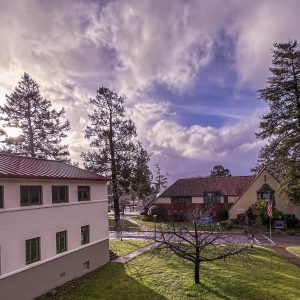
A Loan-Free Education
Finances shouldn't stand between you and your education. Our goal is to give every admitted student the opportunity to attend.
-
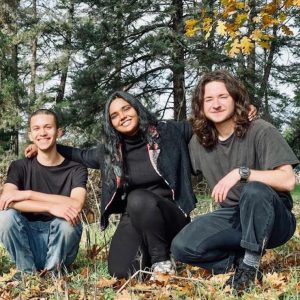
Join us for the Summer
Explore our diverse programs for high-school students and adults. Join us in beautiful Northern California!
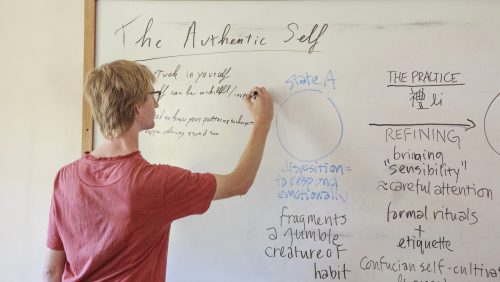
Educating the whole person
DRBU was created with you in mind—small classes, discussion-based learning, and personal attention from our faculty.
Education is without beginning or end. There is not a single location that is not a place of learning, and there is not a single moment that is not a time for learning.

Surround Yourself
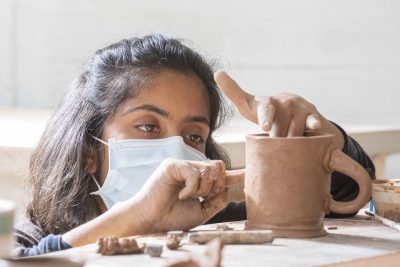
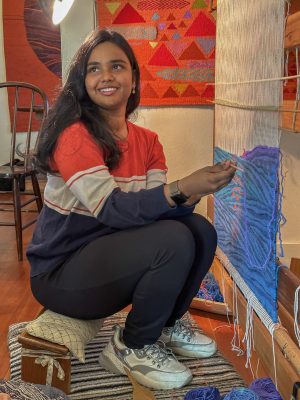
At DRBU, students gain many opportunities to engage in hands-on learning through student activities, volunteering, arts, and work study.
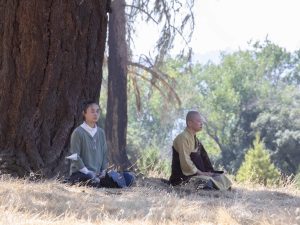
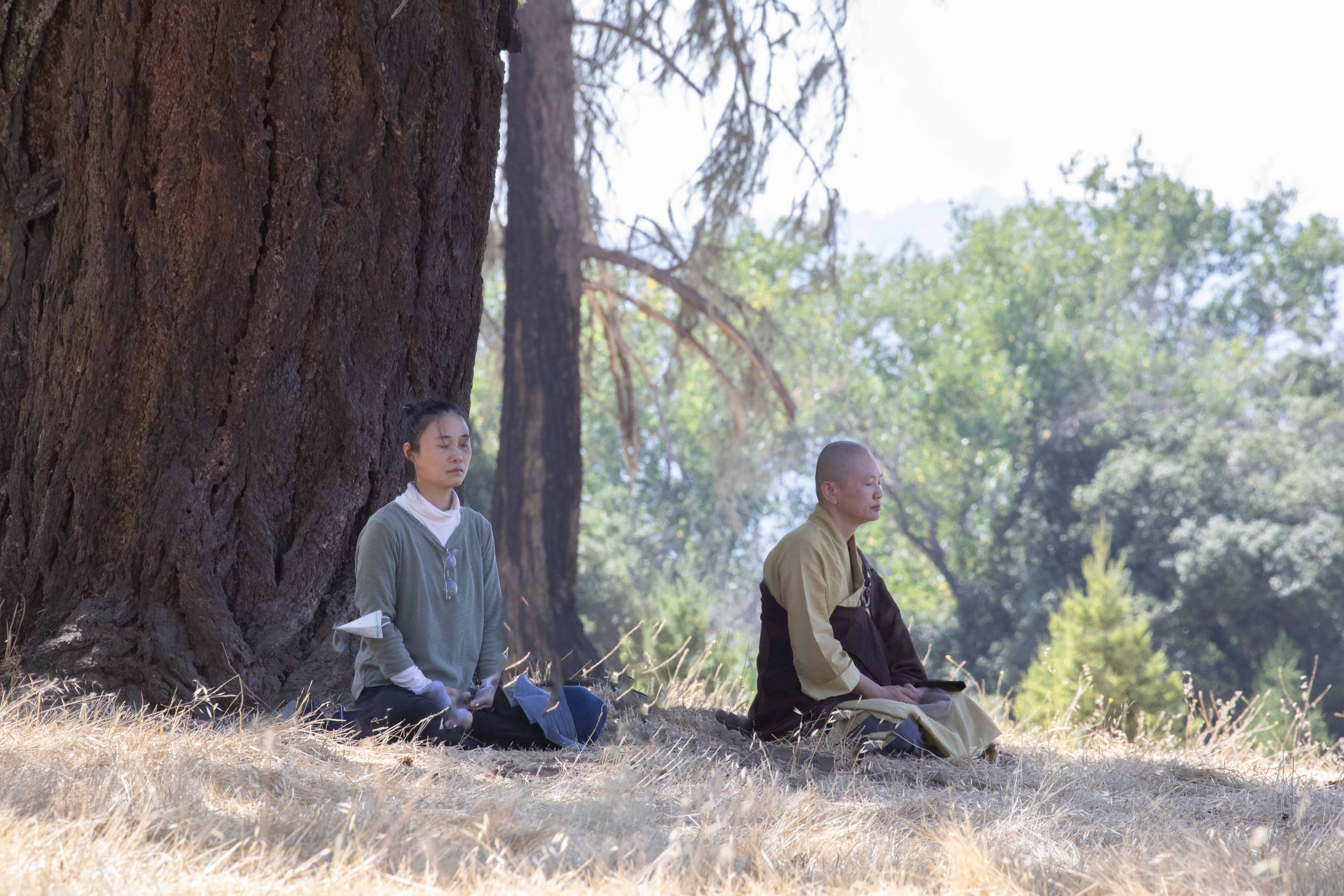
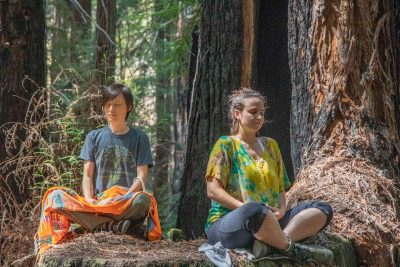
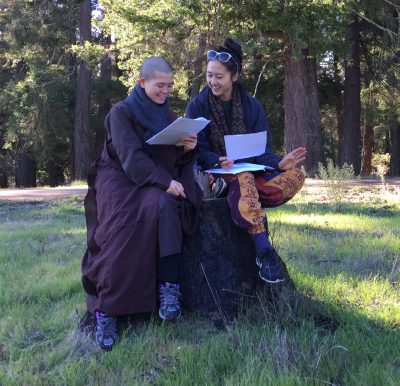
A student and professor meditate outdoors during a Contemplative Exercise Immersion.
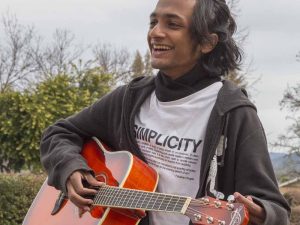
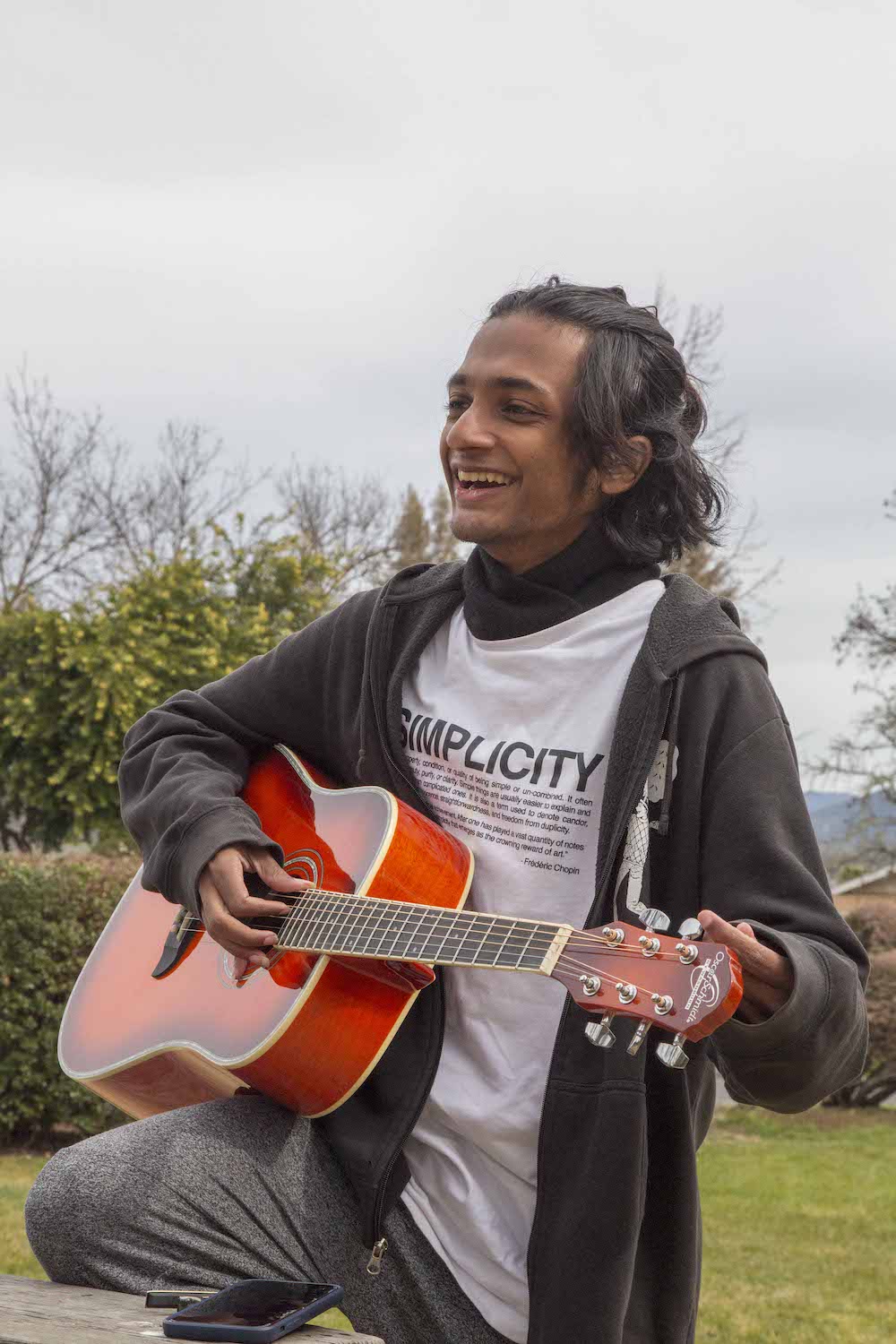
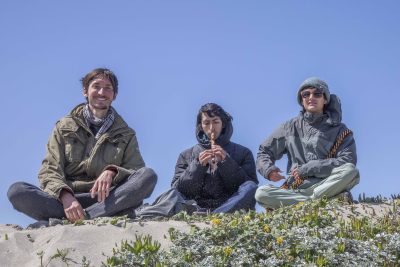
Sharing the joy of music while hanging out at Low Gap Park in downtown Ukiah.
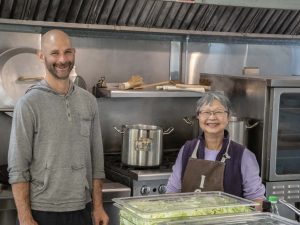
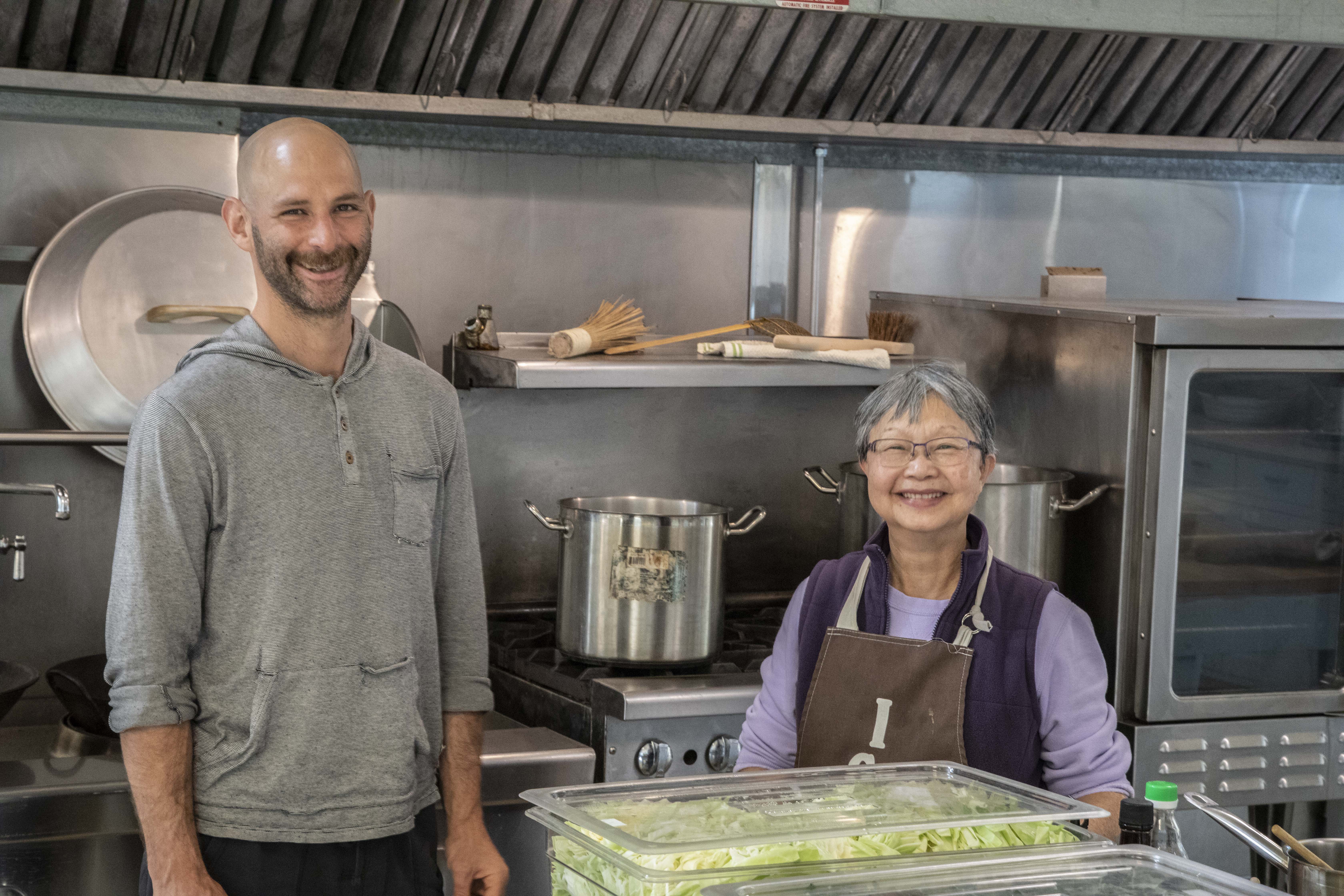
Students and staff prepare a meal together in the Sudhana Center kitchen.
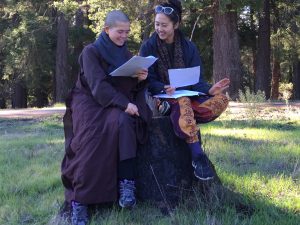
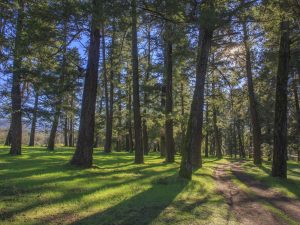
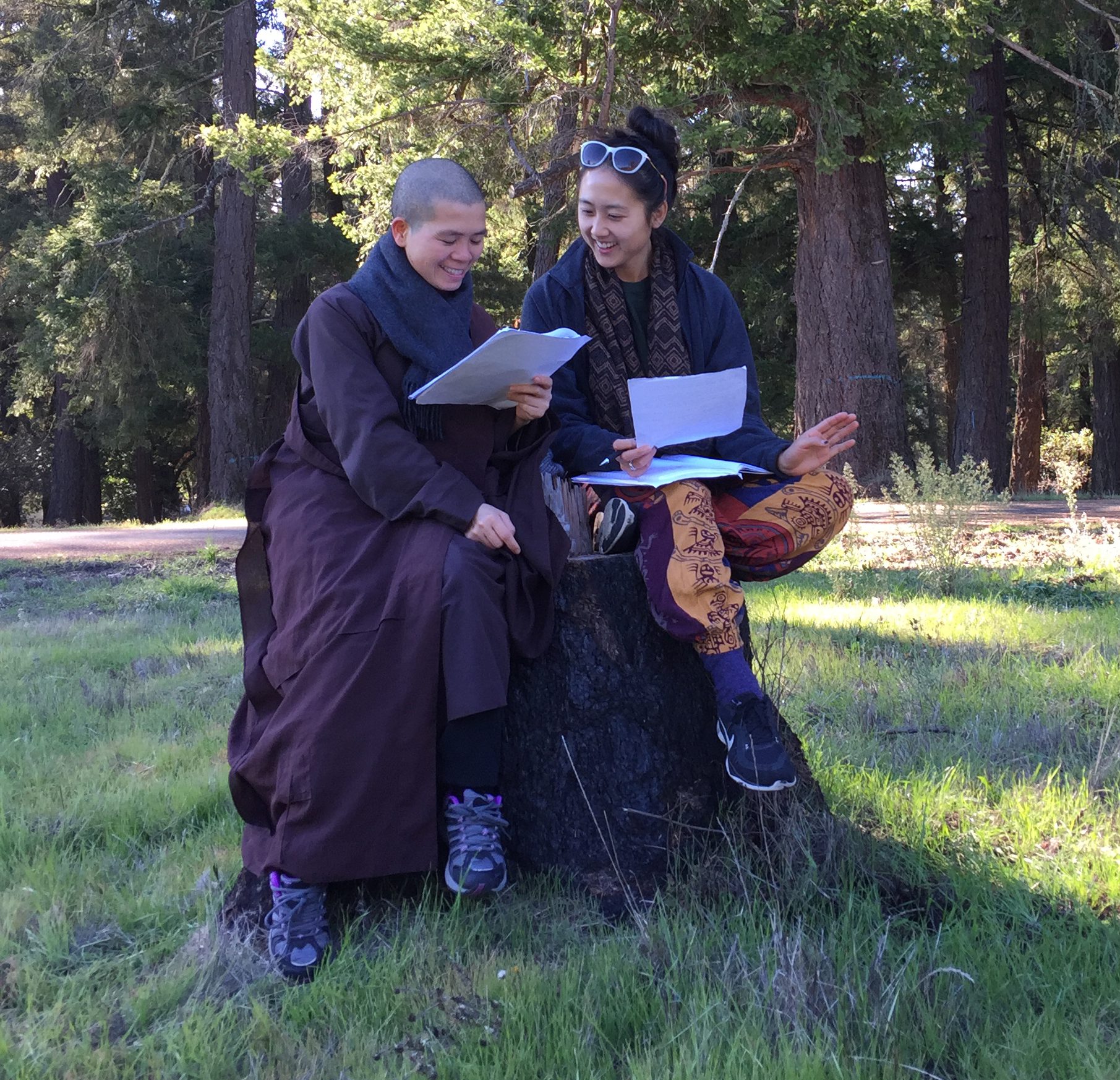
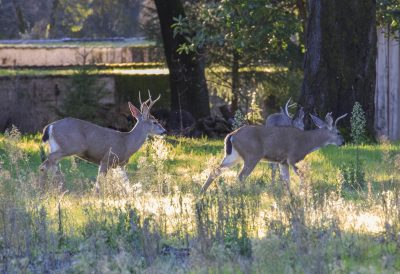
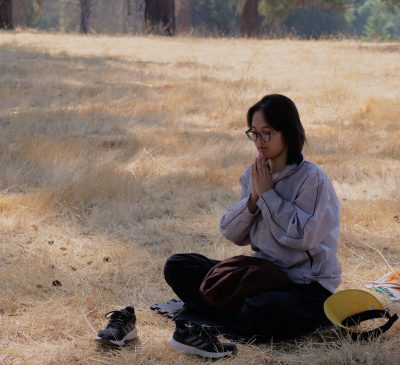
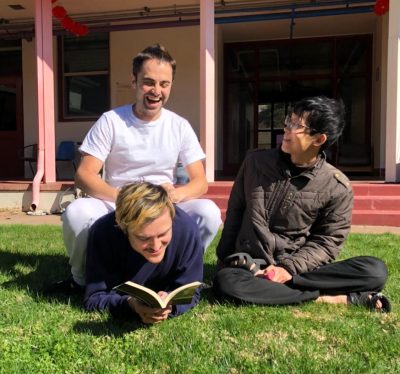
Find a scenic spot on our 700-acre campus to dive deep into your readings.
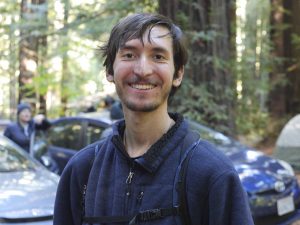
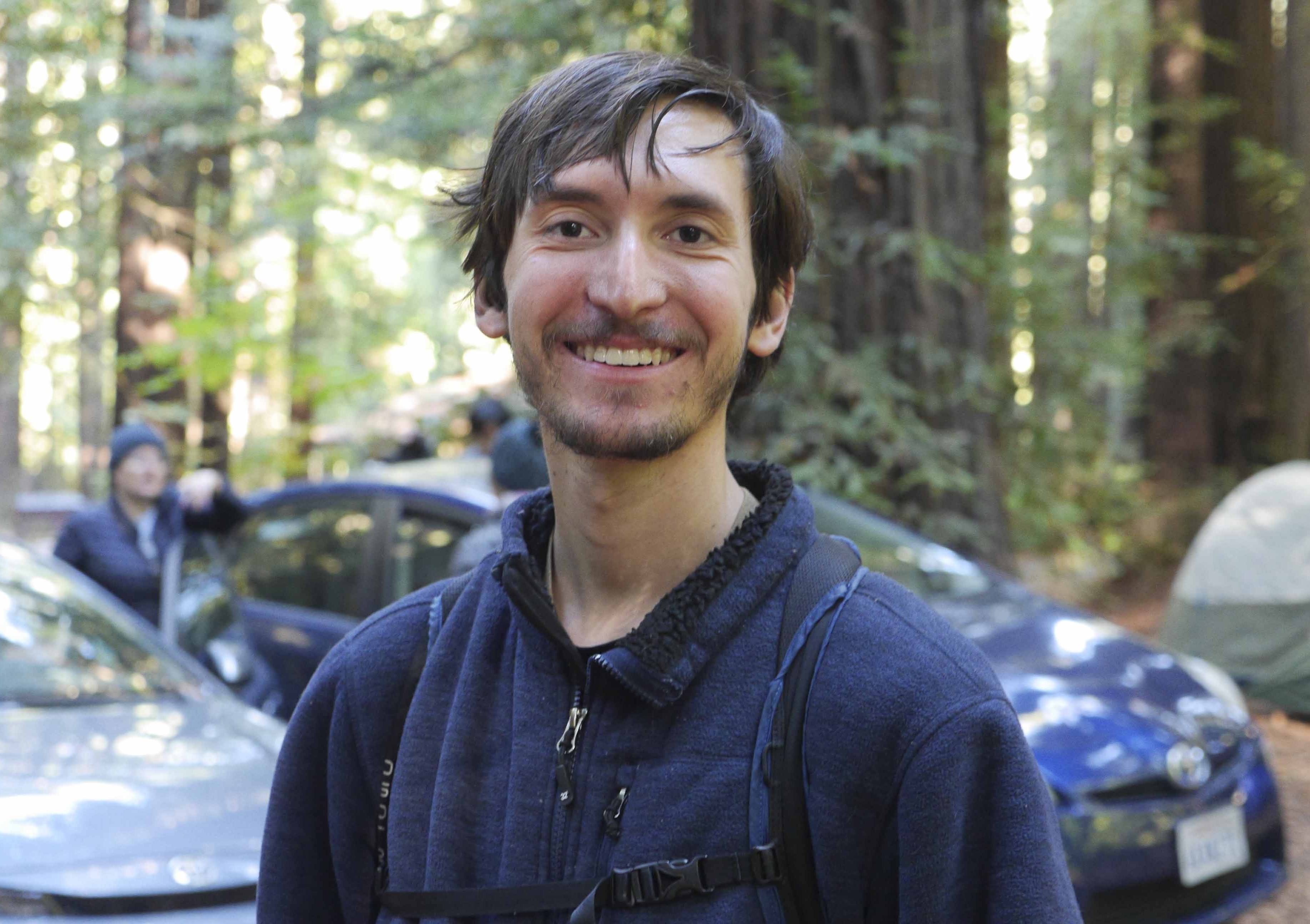
On a camping trip in one of Northern California’s many beautiful state parks.
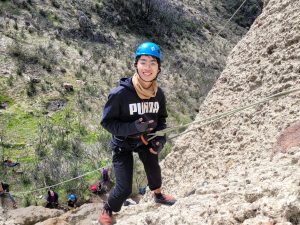
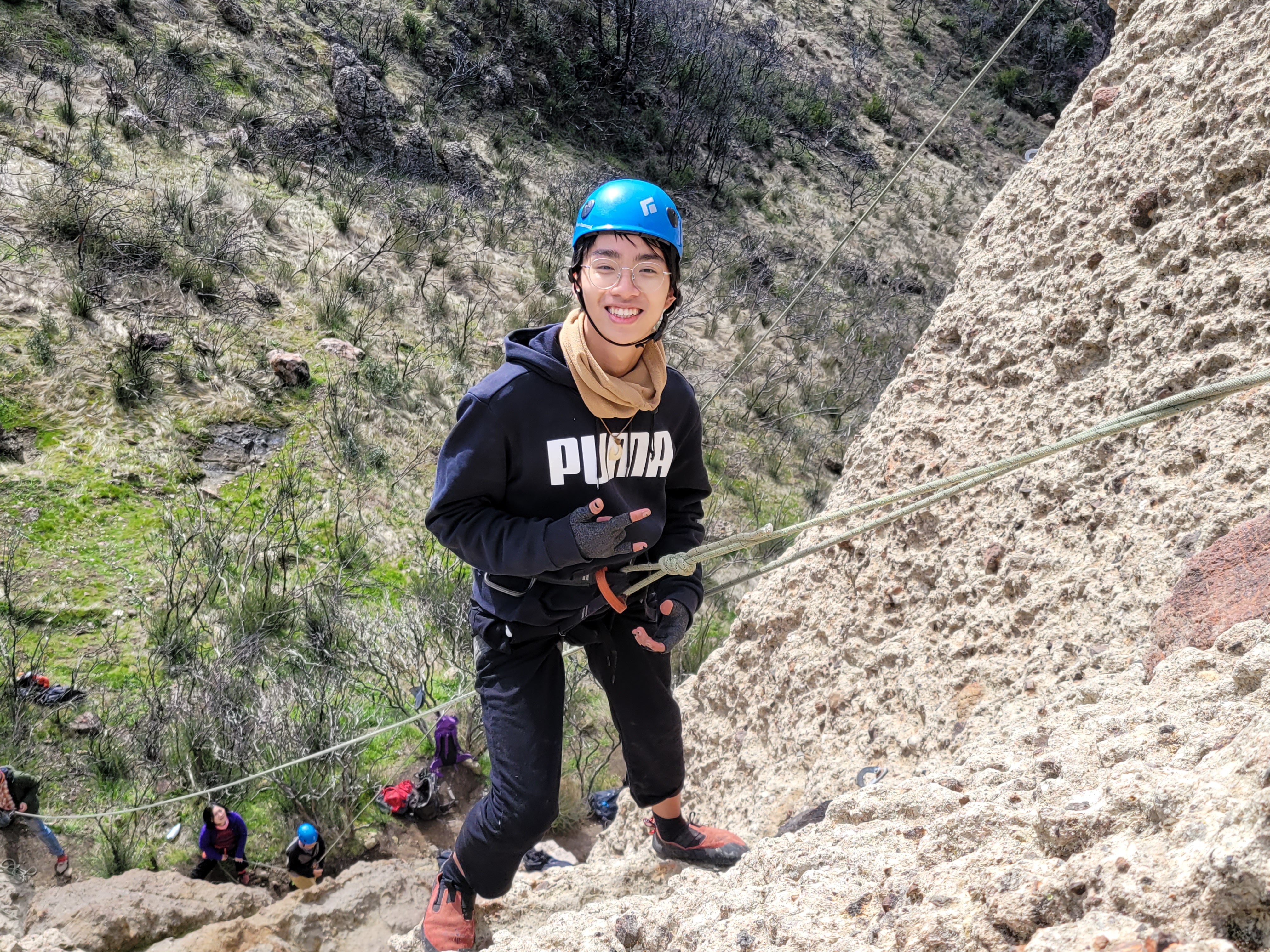
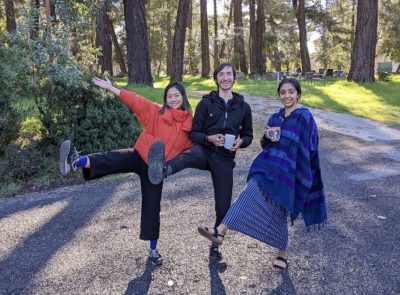
Posing for the camera while on a rock-climbing excursion in nearby Napa valley.
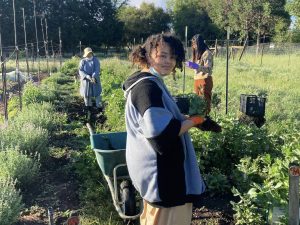
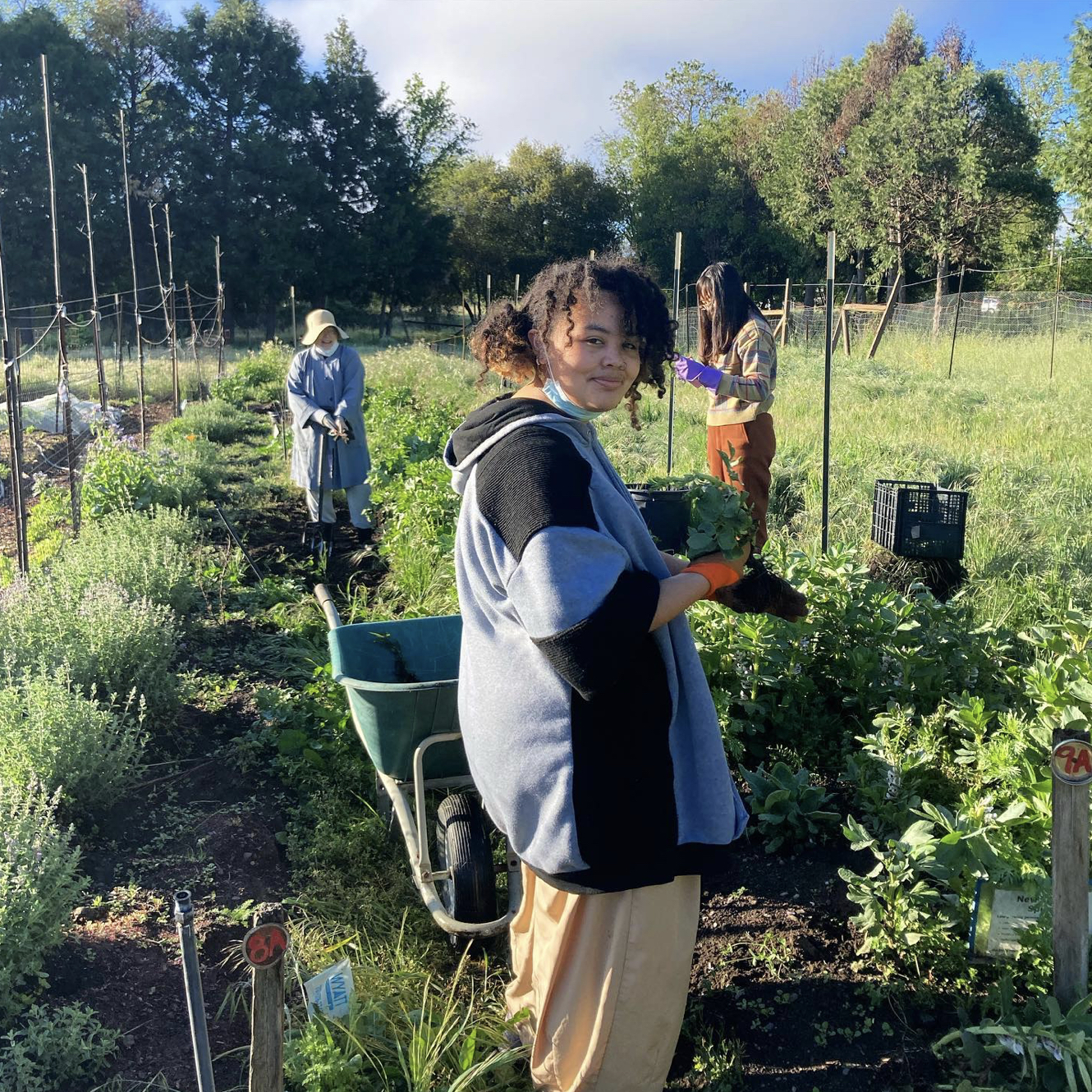
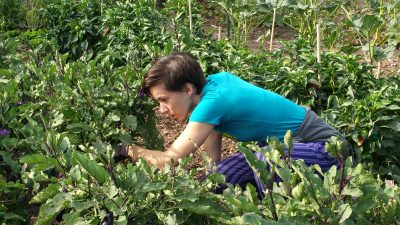
As part of their work study, students learn to cultivate the land on our organic farm.
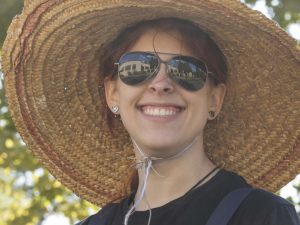
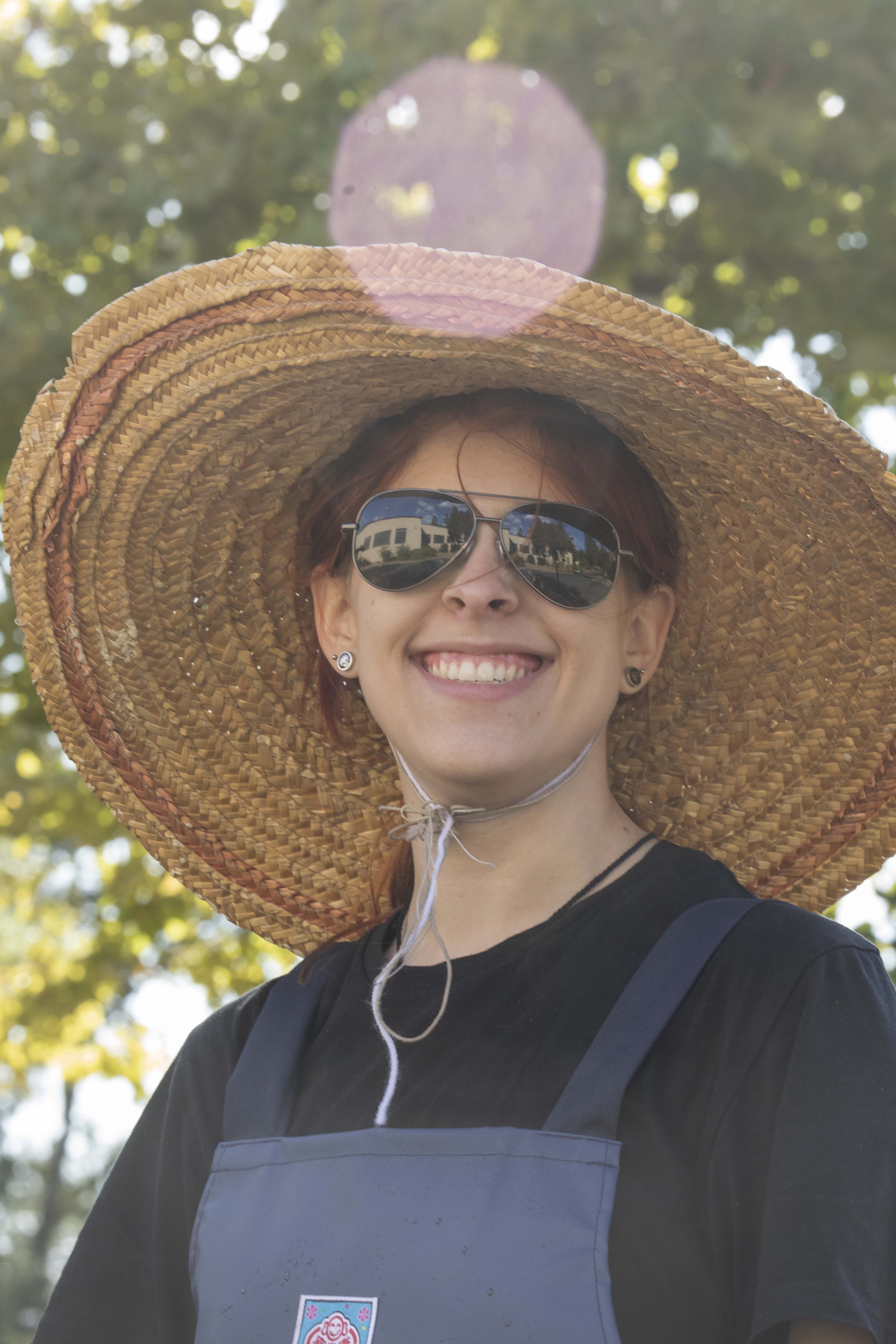
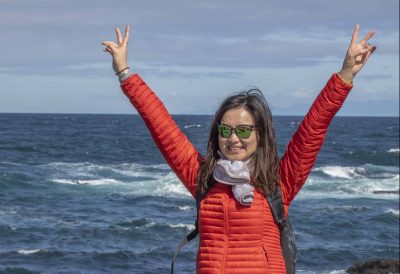
A student pauses to smile for the camera while working outdoors.
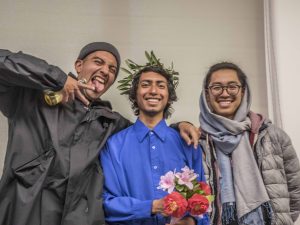
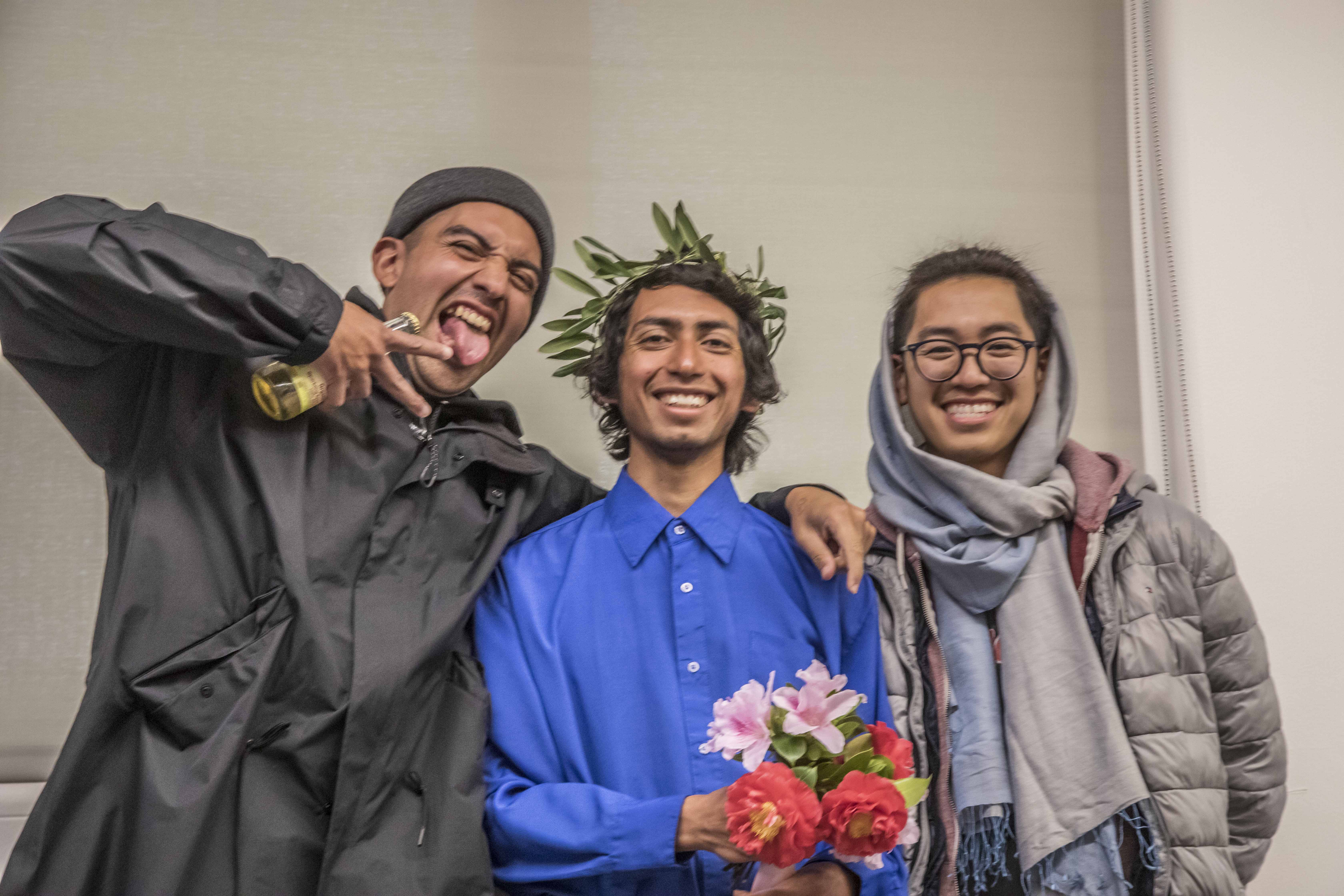
Celebrating after the successful completion of senior oral presentations.
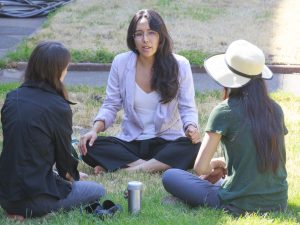
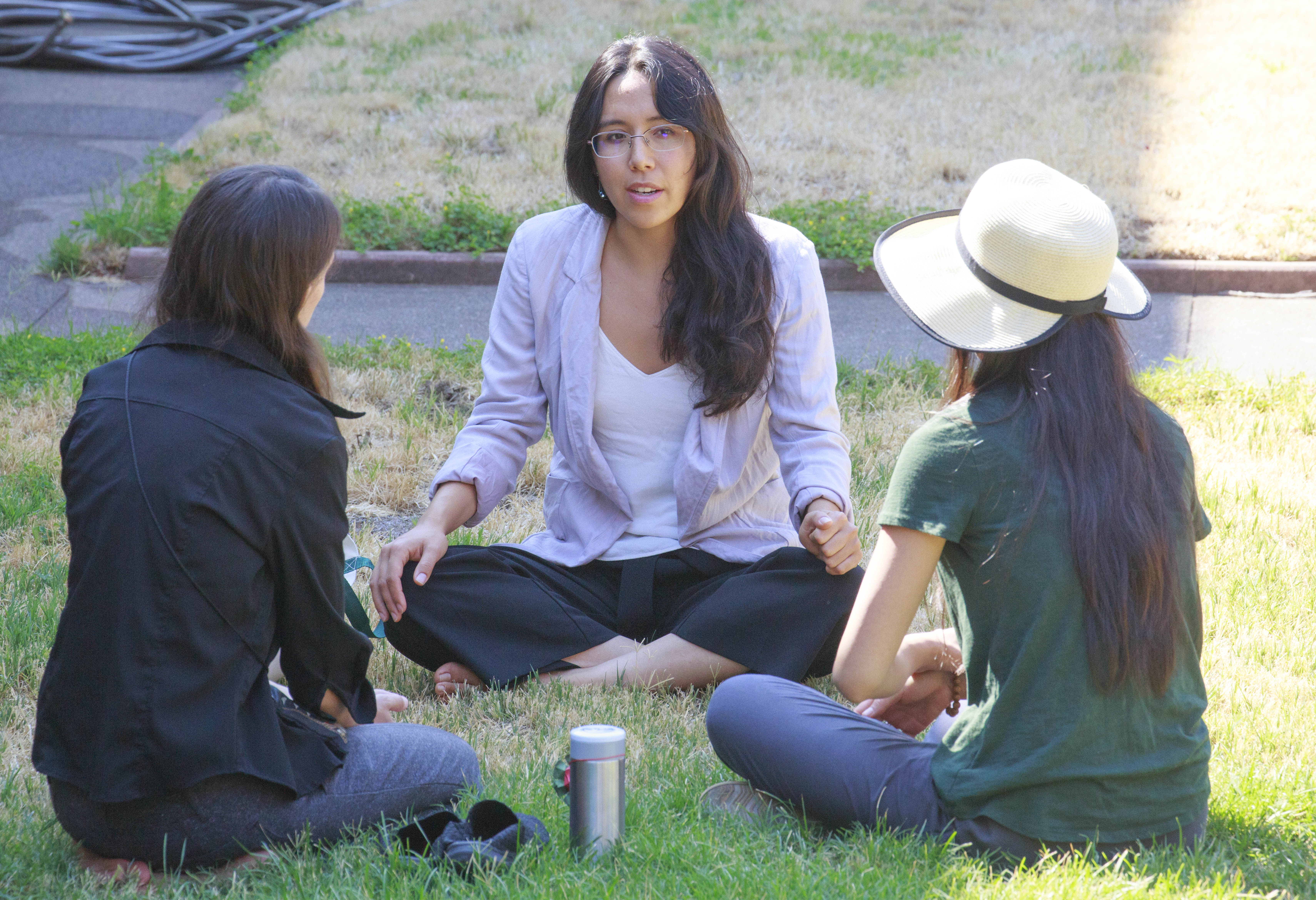
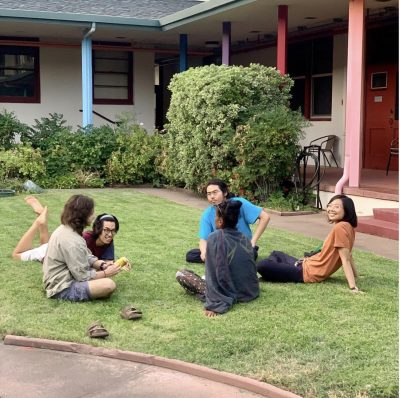
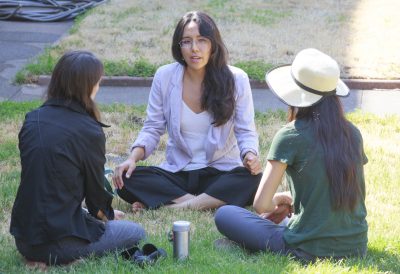
Engaging in shared inquiry while enjoying a warm day in the Sudhana Center courtyard.
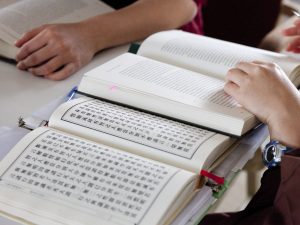
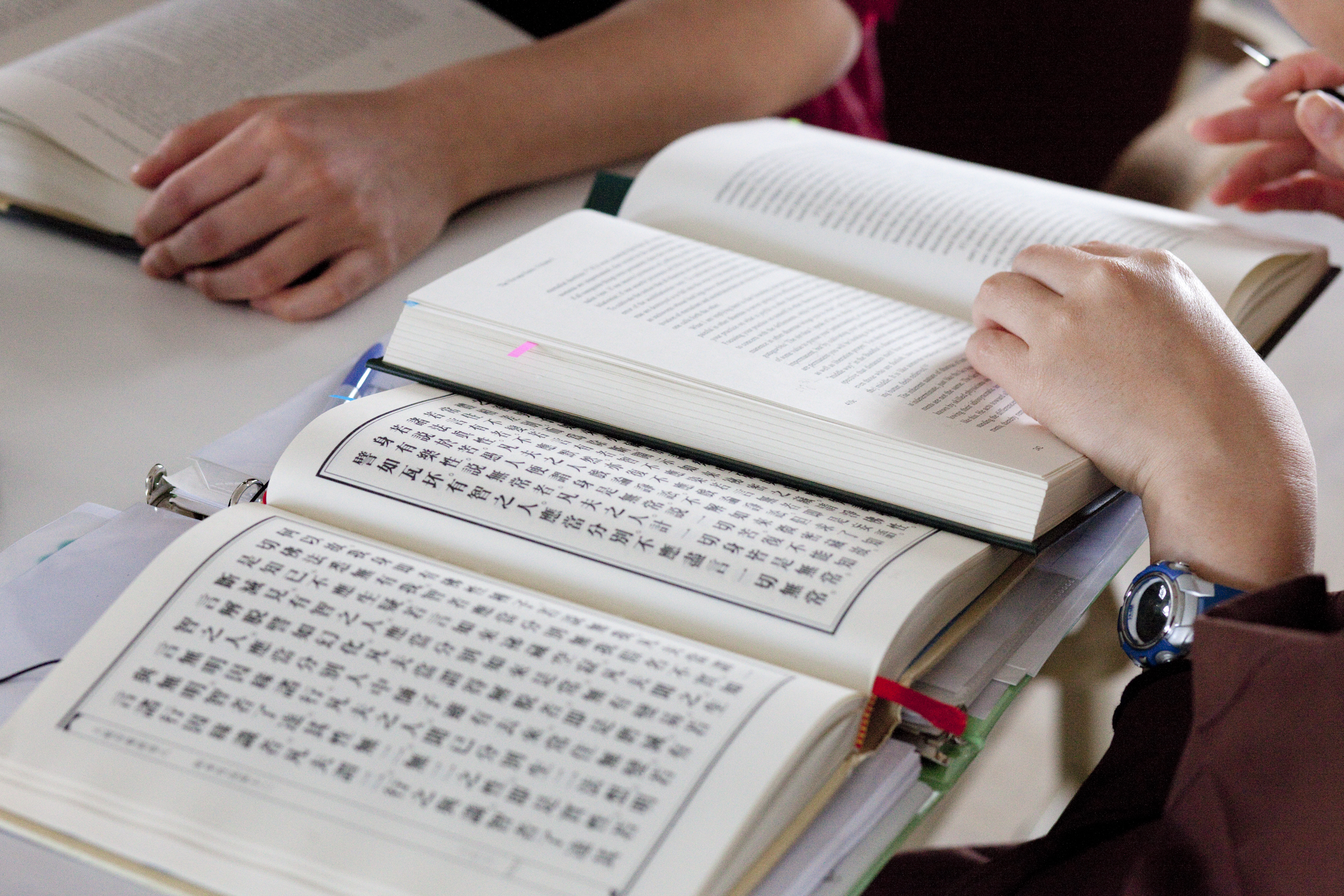
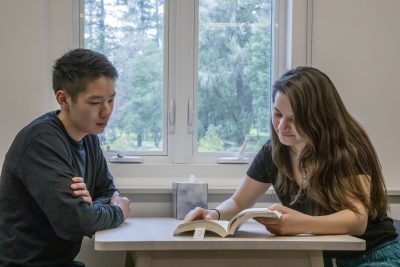
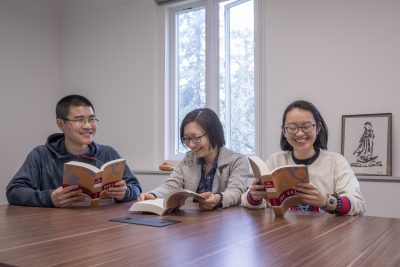
A student diligently compares a text in English and Chinese.
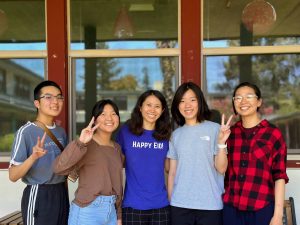
Posing for the camera while attending the Summer Translation Seminar.